

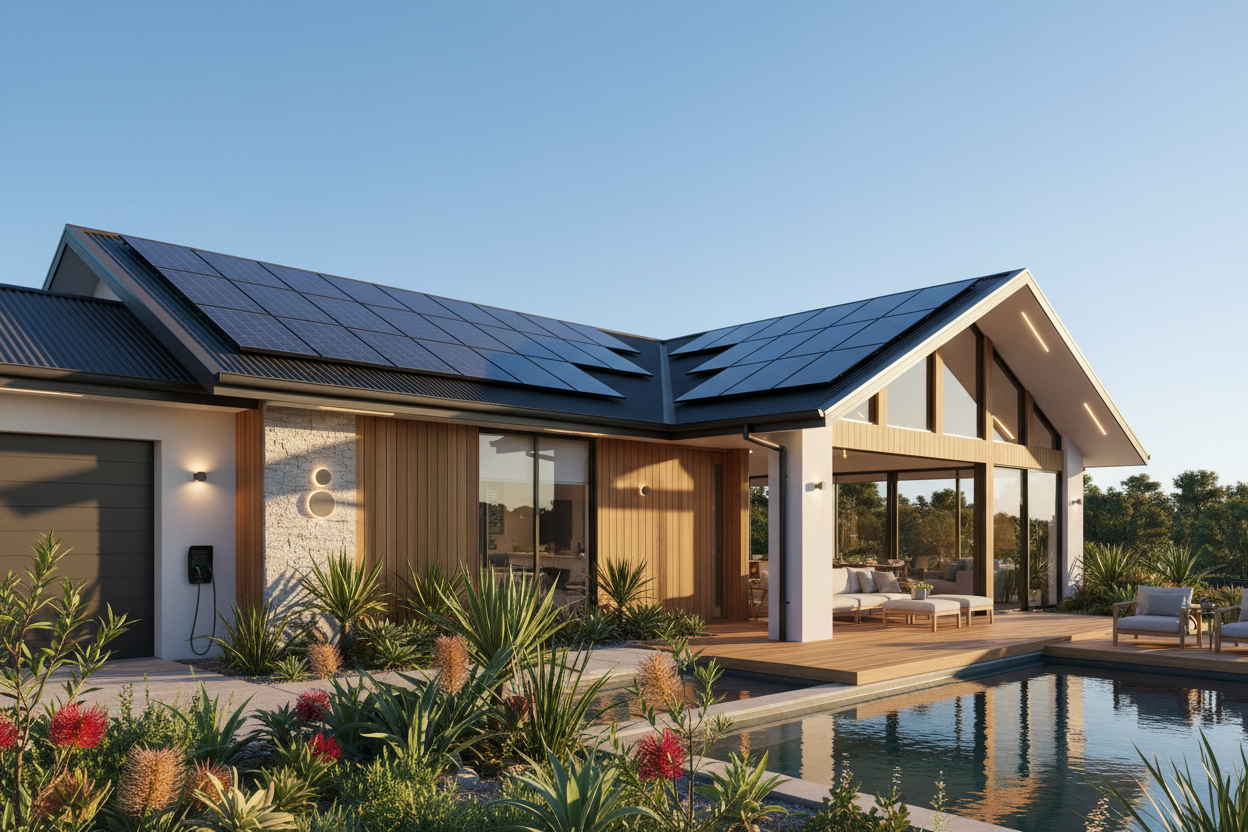
How to Cut Down Your Electricity Bills
With rising energy costs across Australia, cutting down your electricity bills has never been more important. You don’t have to sacrifice comfort or lifestyle — small, smart changes to your home lighting, appliances and daily habits can make a noticeable difference by reducing power use and keeping more money in your pocket.
In this guide, we’ll share practical, easy-to-implement strategies to lower your electricity bill — whether you’re renting, renovating or building your dream home.
1. Switch to Energy-Efficient LED Lighting
One of the quickest ways to reduce power consumption is to replace outdated globes with LED globes.
Why LED lights help:
- Use up to 85% less energy than halogen globes
- Last 10x longer, reducing replacement cost
- Run cooler, reducing heat load in summer
- Work with dimmers and timers for even more savings
LED lighting is well-suited to Australian homes and can be used throughout — in living rooms, kitchens, outdoor areas and bedrooms.
2. Use Ceiling Fans to Reduce Air-Conditioning Use
Ceiling fans are one of the most efficient ways to improve comfort without high running costs.
- Fans use a fraction of the energy of air conditioners
- They circulate air to make the room feel cooler in summer
- Some have reverse modes to redistribute warm air in winter
- By pairing ceiling fans with air conditioners, you can often set the thermostat a few degrees higher and still stay comfortable — which helps reduce overall electricity use.
3. Choose Smart Power Points & Timers
Devices left in standby mode continue to draw power — something often called “vampire load.”
To reduce this:
- Use smart power points that cut power automatically
- Plug TVs, gaming consoles and chargers into a power board with switch
- Add timers to lighting and appliances that only need occasional use
Smart plugs and timers are affordable and can save you real dollars over time — especially in busy households.
4. Upgrade to Energy-Efficient Appliances
If your appliances are more than 8–10 years old, they are likely less energy-efficient than modern alternatives.
Consider upgrading to:
- Energy-rated cooktops and ovens
- Front-load washing machines
- Energy-efficient refrigerators
- Heat pump hot water systems
Look for the Energy Rating Label when buying — appliances with more stars use less power and cost less to run.
5. Optimise Heating & Cooling
Heating and cooling are often the biggest contributors to your energy bill.
Smart tips to reduce costs:
- Set air conditioners to energy-saving modes
- Use zoning systems to cool only occupied rooms
- Insulate ceilings and walls to keep temperature stable
- Use blockout blinds and curtains to reduce heat loss/gain
Small adjustments to how you heat and cool your home can make a big difference in overall energy use.
6. Switch Off Unused Lights
Leaving lights on in empty rooms adds unnecessary power use.
- Install motion sensors in hallways, patios and bathrooms
- Use timers on outdoor lights
- Turn off lights near natural daylight sources instead of leaving them on
These habits are simple but effective, and quickly add up to savings.
7. Choose Smart Lighting Controls
Smart switches and dimmers let you customise how and when your lighting is used.
Benefits include:
- Dimming to use less power when bright light isn’t needed
- Timers for outdoor and security lighting
- Remote control via apps to turn lights off when away
Smart lighting doesn’t need to be expensive — and it helps you reduce power use with minimal effort.
8. Improve Insulation & Draft Sealing
Small gaps around windows and doors let warm air escape (or cool air out), forcing heaters and air conditioners to work harder.
- Seal gaps with weatherstrips
- Add door draught stoppers
- Improve ceiling and wall insulation
Better insulation keeps your home thermally stable, reducing the need for high-energy heating and cooling.
Final Thoughts
Cutting down your electricity bill doesn’t happen overnight, but with smart strategies and a few simple upgrades, you can reduce energy use and enjoy significant savings.
Start with small changes like swapping globes and using ceiling fans, then build towards more energy-efficient appliances and smart controls. Over time, these simple steps add up to lower bills — and a more comfortable, efficient home.
For personalised advice on energy-saving lighting products and solutions, contact our team today.


